AnniZ Lab

Uncovering Diverse Microbial Mechanisms via AI

Our sevices

  • Who are we?
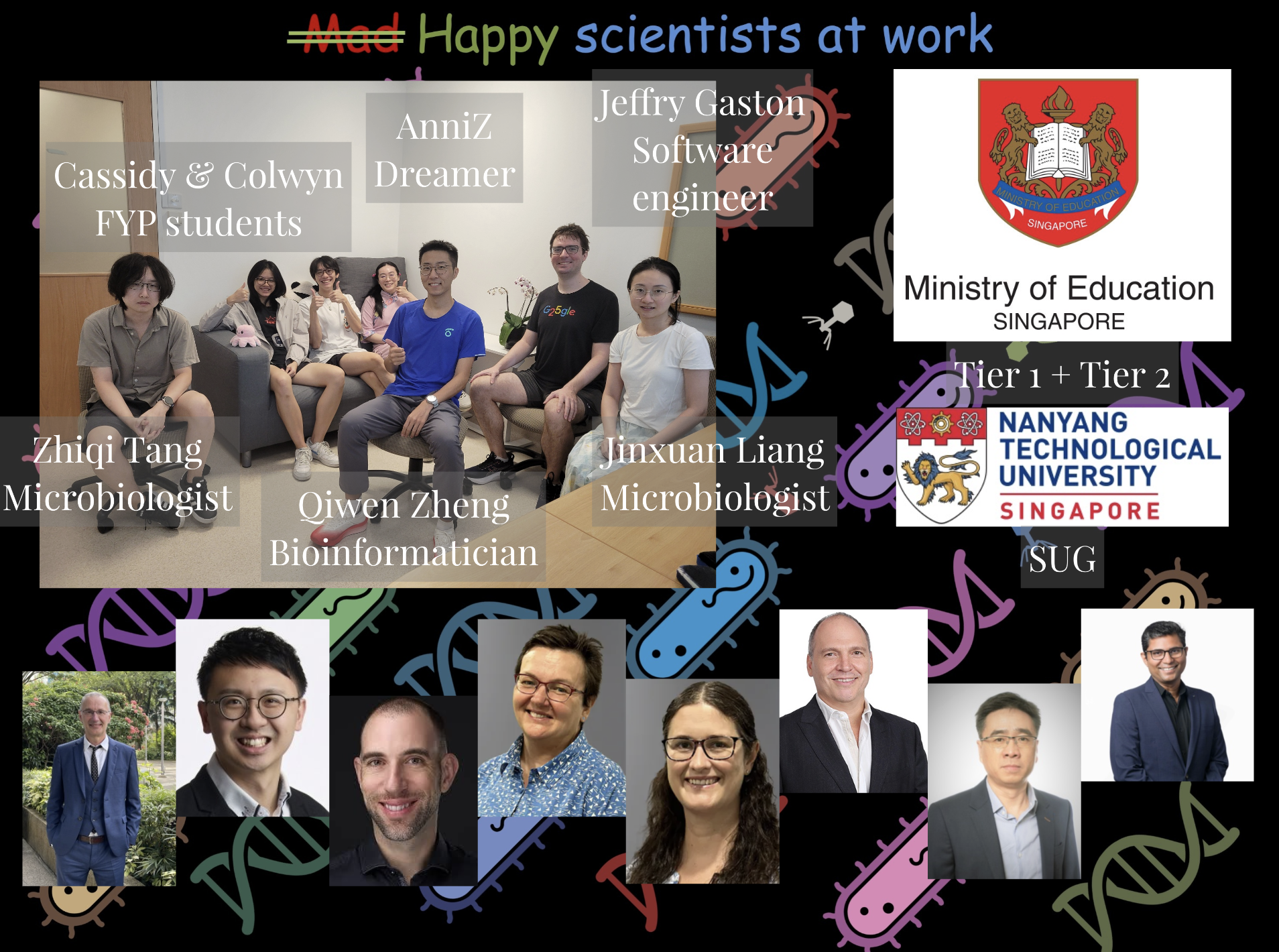
    • We are a team of microbiologists and software engineers previously from MIT and Google.
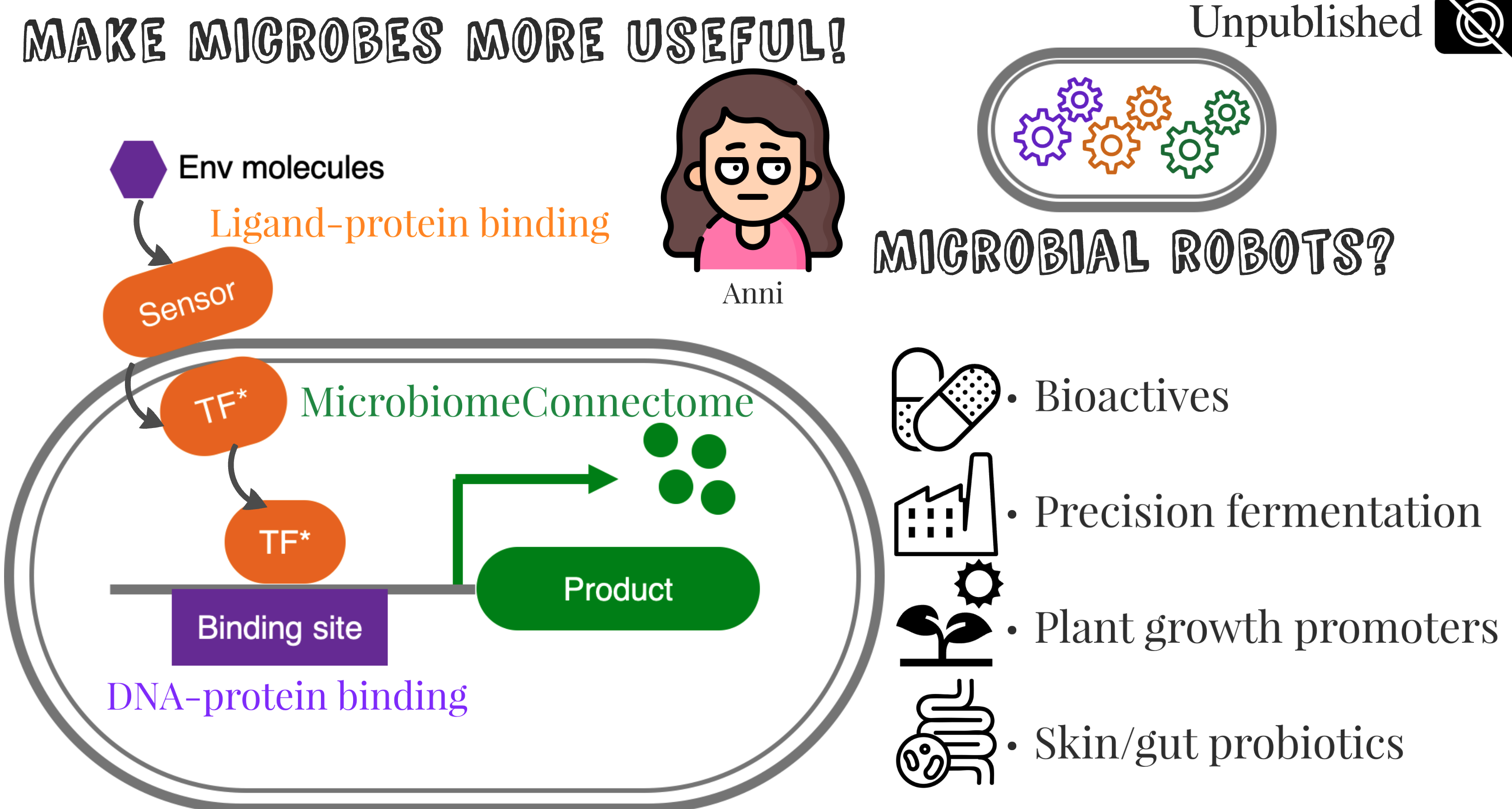
    • We develop biology-informed AI models to predict how proteins interact with DNA and ligands in bacteria.
    • We analyze 500,000+ to design the computational blueprints needed for precise microbial engineering.
  • What can we do?
    • Technical R&D partner for companies in fermentation, therapeutics, drug discovery, and agriculture.
    • Our platform identifies the specific "genetic switches" (regulatory motifs and binding sites) required to control and optimize bacterial behavior.
  • Core industrial domains
    • Industrial fermentation: designing genetic circuits that respond to environmental triggers to improve production yield
    • Live biotherapeutics: identifying "localization switches" to ensure engineered probiotics release medicine only at the target site
    • Drug discovery: predicting how to activate "silent" genes in bacteria to discover new antibiotics
    • Agricultural biotech: engineering soil microbes to remain active in diverse conditions for better plant growth and nitrogen fixation.

Our Research:

  • Biology-informed AI models for precise bacterial engineering
    • Protein-ligand binding prediction: to sense different molecules
    • Protein-DNA binding prediction: to change bacterial behavior accordingly
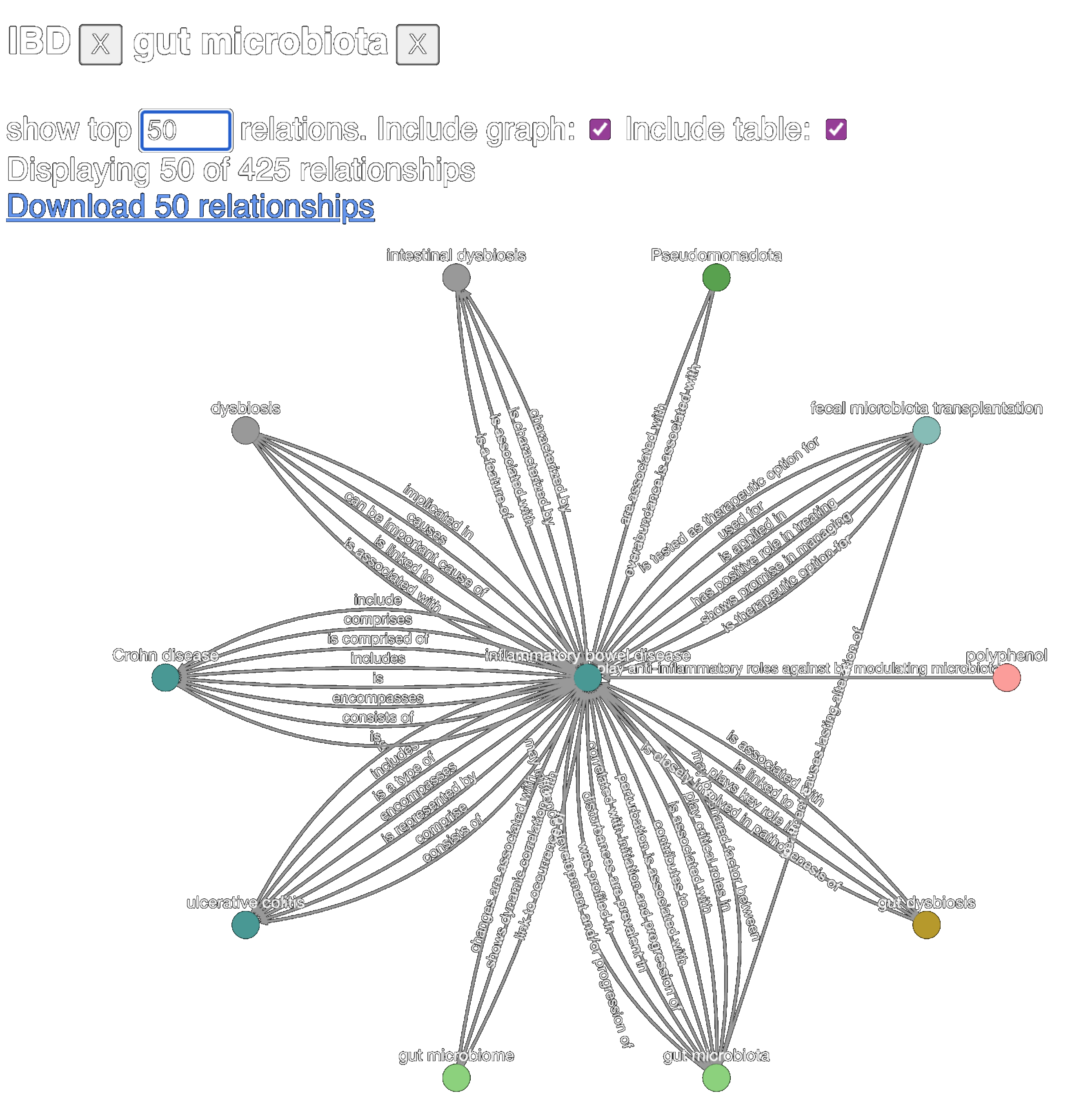
  • Microbiome druggable target design via knowledge graph link prediction
    • LLM-powered microbiome knowledge graph: extracting existing knowledge
    • Link prediction: generating new hypotheses
    • Rule-based microbial gene/metabolite prioritization: identifying microbiome-derived drug leads
  • More research and thoughts shared on bluesky!

One PhD Position Available!

Requirements

  • A curiosity about microbes
  • An interest in coding
  • A dedication to research

What to expect as our teammate:

  • Receive training in critical thinking and hypothesis testing
  • Gain a solid foundation in statistics, microbiology, and AI computation
  • Develop skills in coding, analysis, visualization, and public speaking
  • Practice collaboration and communication
  • More importantly, we care about your future! We are happy to mentor you in career development.

News!

  • 2026 Jun Dr. Fatima Aysha Hussain at Tufts University visited our lab at NTU.
  • 2026 May Anni is invited to give a talk on Microbiome R&D and Business Collaboration Congress Asia.
  • 2026 Apr BIG NEWS: we are awarded SG$1M Singapore MOE Tier 2 grant for protein-DNA binding prediction!
  • 2026 Apr Zhiqi talked about "Detection of HGT and selective sweeps in human gut microbiome via large data analysis and population genomics" in But seminars - great job.
  • 2026 Mar Anni was invited as a working group member for National Infectious Disease Research Strategy, Singapore!
  • 2026 Jan Dr. Xiaoqian Yu (University of Montreal) visited our lab at NTU.
  • 2025 Dec Qiwen talked about "Biology-guided AI models to predict bacteria protein DNA binding" in BUG seminars - great job.
  • 2025 Dec Dr. Klas Udekwu (University of Idaho & SLU) visited our lab at NTU.
  • 2025 Nov Anni talked about "Uncovering diverse microbial mechanisms via computation" in SCELSE Retreat.
  • 2025 Aug Jinxuan joined our lab as a PhD student. Welcome :)
  • 2025 Aug Zhiqi switched to a PhD student. Congrats!
  • 2025 July-Aug Aolin and Yifang transitioned to future paths. Good luck!
  • 2025 July Anni gave a talk at Gordon Conference AEM 2025
  • 2025 July Jeff presented work at Gordon Conference AEM 2025 :)
  • 2025 July Anni presented work at Gordon Conference MPB 2025 :)
  • 2025 June Anni gave a talk at MIT BE Seminar!
  • 2025 March Aolin joined us as a research associate.
  • 2025 Jan Qiwen joined us as a PhD student. Welcome to AnniZLab!
  • 2025 Jan Zhiqi joined us as a research associate.
  • 2024 Nov Yifang joined us as a research associate.
Contact us!
AnniZ Lab Members

Highlighted Discoveries

Case 1 of 6: published on Genome Biology, reported by NTU News
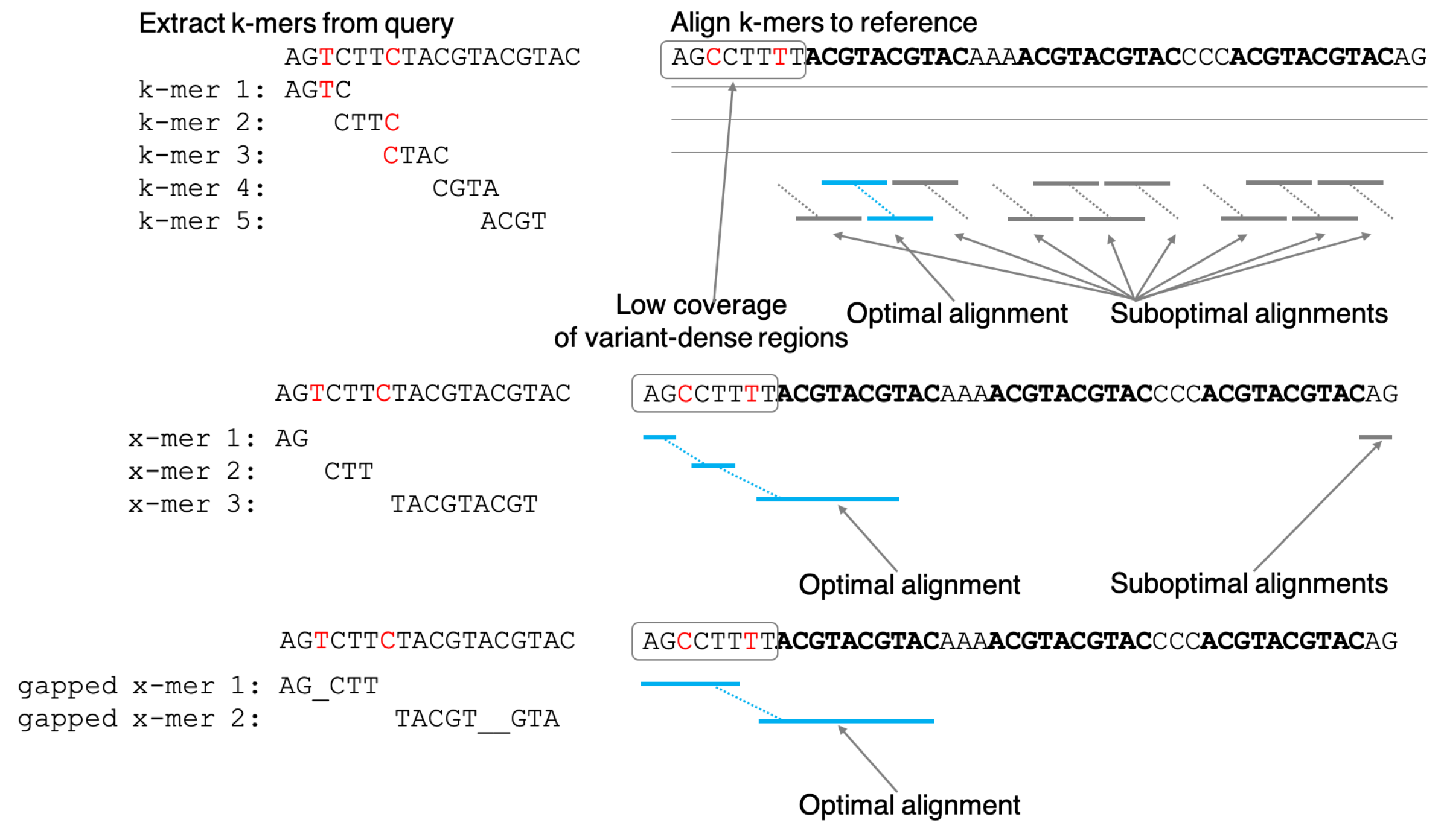
Sequence aligners use fixed-size k-mers in their algorithms, with the choice of k-mer size significantly impacting alignment quality. Our tool, Mapper, overcomes this by dynamically incorporating k-mers of various sizes and gaps (gapped x-mers).
Case 2 of 6: published on Cell Genomics, reported by MIT News
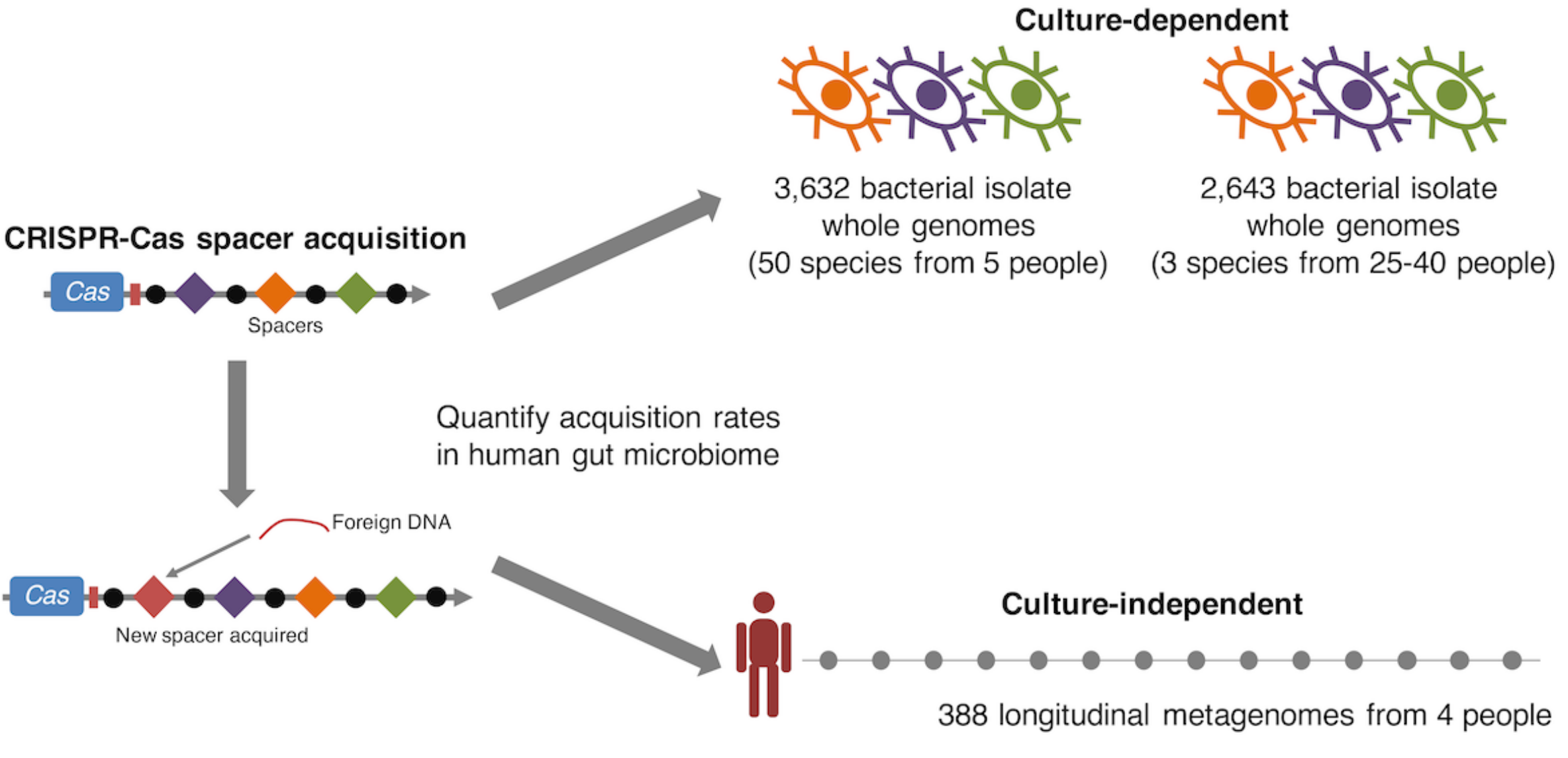
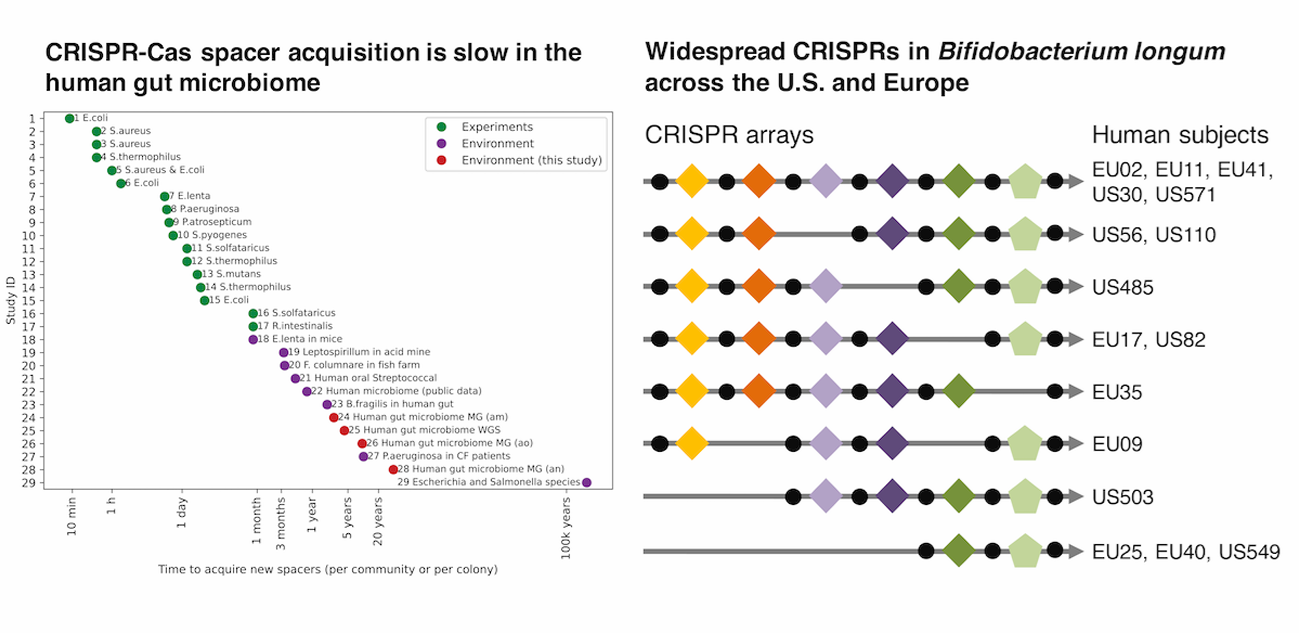
Gut microbiomes share CRISPR systems through horizontal gene transfer to update their phage defense.